Most blocked drains do not arrive without warning. They begin as a sink that takes a little longer to empty, a gurgle from the shower, or a smell that comes and goes. Then, one wet afternoon, the water has nowhere left to go. Catching the problem early is often the difference between a quick, inexpensive fix and a flooded laundry. This guide covers the warning signs, the usual causes, what you can safely try yourself and when it is time to call a professional.
Early warning signs of a blocked drain
Drains rarely fail all at once. In many older Australian homes, one of the first places trouble shows up is the gully trap, the ground level drain outside the house that receives wastewater from inside. Over the years, paving, concrete and garden beds can cover it, and a buried gully is easy to forget until it overflows. In that situation, fixing a buried gully trap starts with finding it, which takes the right equipment and experience rather than a shovel and guesswork.
Whether or not your gully is visible, watch for these early signs:
- Water that drains slowly from a sink, shower or basin, especially in more than one place.
- Gurgling sounds from drains when another fixture is used, such as the shower gurgling when the washing machine empties.
- Unpleasant smells coming from drains, floor wastes or the area around the outside gully.
- Water backing up into one fixture when another is used, for example in the shower when the toilet is flushed.
- Damp or sunken patches in the yard along the line of the sewer or stormwater pipes.
A single slow drain is usually a local blockage close to the fixture. Several affected at once points to a problem further along the line, which is more serious and far less likely to clear itself.
Common causes of blocked drains in Perth homes
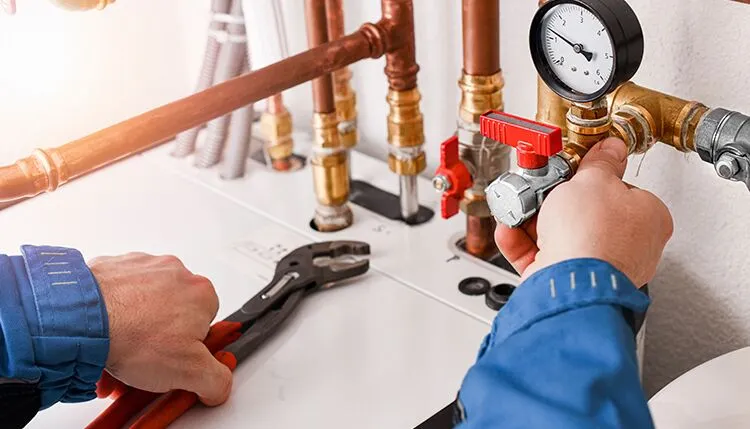
Kitchen drains tend to block with fat, oil and food scraps. Fat looks harmless as a liquid, but it cools and sticks to the inside of pipes, trapping other debris until the pipe narrows. Bathroom drains collect hair and soap scum. Toilets suffer most from things that should never be flushed. Wipes sold as flushable do not break down the way toilet paper does, and they are a frequent cause of sewer blockages.
Outside the house, tree roots are a leading cause in older properties. Roots seek out moisture and can slip into small cracks or loose joints in a pipe, then grow into a mass that catches everything passing through. Soil, sand, leaves and other garden debris can also wash into gully traps and stormwater pipes, especially after heavy rain or when paving shifts. Older jointed pipes are more vulnerable than modern continuous plastic pipes because they have more joints where roots and soil can get in.
Knowing the likely cause helps you decide what to do next. A greasy kitchen sink is a different problem from a toilet that backs up every few weeks, and the second is much more likely to involve the main drain.
What you can safely try yourself
Some minor blockages can be cleared without a plumber, provided you stay with simple, low risk steps:
- Clean out strainers, plugholes and traps you can reach by hand, wearing gloves.
- Use a plunger with a good seal over the plughole of a sink or shower. If there is an overflow opening, block it with a damp cloth first so the pressure goes where you want it.
- For a greasy kitchen sink, flush with hot water from the tap. Avoid boiling water, which can damage some pipes and fittings.
- Fit a strainer afterwards to catch hair and food scraps before they reach the pipe.
Be careful with chemical drain cleaners. They are corrosive, can damage older pipes and are hazardous to handle. They can also leave a pool of chemical laced water in the drain that a plumber then has to work around, and they rarely work on solid blockages such as roots. It is also best not to push drain rods into sewer lines or lift gully grates when water is already close to overflowing. That is the point where a small problem can turn into a messy and unpleasant one.
If a plunger and a clean strainer do not fix it within a couple of attempts, the blockage is probably further along than you can reach, and more force from you is unlikely to help.
When to call a licensed plumber
It is time to call a professional when:
- More than one fixture is affected at the same time.
- The problem returns soon after you clear it.
- There is a sewage smell, or wastewater is rising in a drain or fixture.
- The gully is overflowing, or you cannot find it.
- You suspect tree roots, a cracked pipe or damage under paving.
- Basic steps have not worked.
In Western Australia, most plumbing work must be carried out by a licensed plumber, so check licence details before you book. Drainage work is also covered by national standards, including AS/NZS 3500.2 (Plumbing and drainage, Part 2: Sanitary plumbing and drainage), which is one more reason to leave it to a licensed plumber. A plumber will usually start by finding the cause rather than just pushing the blockage along. Depending on the situation, that can mean a camera inspection of the pipe, clearing with a drain machine, or high pressure water jetting to remove grease and roots. A camera also shows whether a pipe is cracked or out of alignment, which tells you whether clearing is enough or a repair is needed.
How to prevent blockages
A few habits keep most drains running well:
- Scrape plates into the bin before washing up, and never pour fat or oil down the sink. Let it cool and put it in the bin.
- Use strainers in the kitchen sink, shower and bath.
- Flush only toilet paper and human waste. Put wipes in the bin, even if the packet says flushable.
- Keep the area around the outside gully clear of mud, leaves and pots, and do not let paving or garden beds cover it.
- Know where your gully trap and inspection openings are, so a plumber does not have to search for them.
- Think about root management if large trees sit close to your sewer line, particularly in an older home.
- If your property has a history of blockages, a periodic camera inspection can show problems before they cause an overflow.
Acting early is the cheapest option
A blocked drain rarely fixes itself, and it usually costs more once the water has nowhere left to go. Pay attention to slow drains, odd noises and smells, try the simple steps first, and call a licensed plumber as soon as the signs point to something deeper. Acting early is usually the cheapest and least stressful way to deal with a drain problem.